

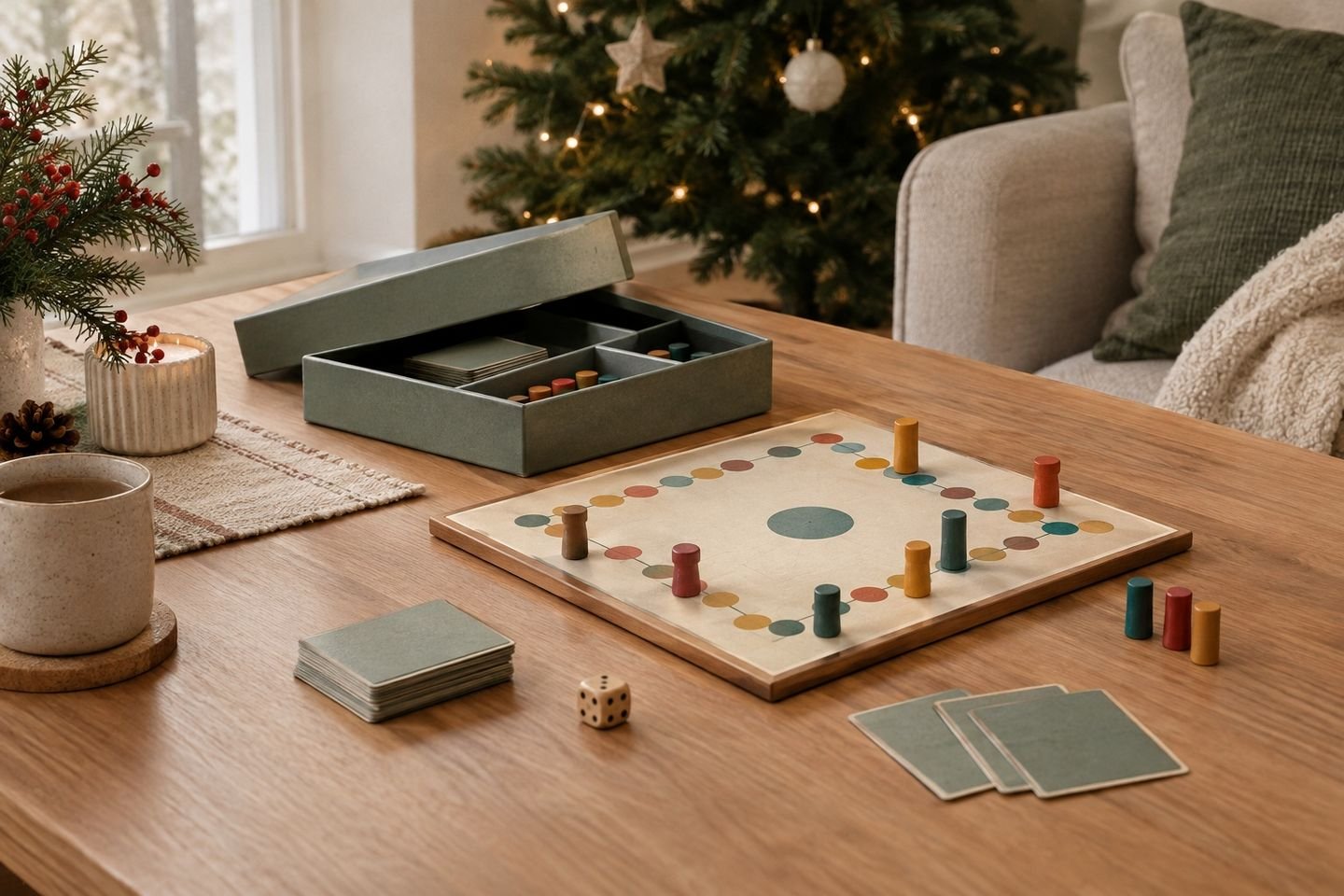

Somebody always ends up hunched over the half-cleared snack table with a fistful of cards, arguing happily about a rule nobody read.
That is the moment worth buying for. I picked 12 games for this 2026 gift guide, all with easy rules, plenty of replay value, and typical prices under $50. Prices shift by retailer and edition, so check the current total before you buy.
The list mixes familiar strategy games, fast party picks, and cooperative games. Some want a full table. Others suit two people who want something quiet after dinner. One caveat: age ratings are only a starting point, since a kid who loves reading or planning may take to a game years before the box says they should.
Start here if you don’t know the household well
These are the safe bets when ages and attention spans are all over the place. They teach fast, they leave room for silly moments, and nobody has to memorize a rulebook first. If you are buying exactly one game for people you don’t know terribly well, pick from this group.
1. Ticket to Ride — typically about $45. Players build train routes across a map, weighing the points from completed tickets against the risk of waiting too long to claim a key connection. The turn is simple, but the map keeps everyone watching what the others are plotting. It makes a strong gift for families with older kids and adults. First games with newcomers run long, so leave room after dinner.
2. Azul — typically about $40. You draft colorful tiles and lay them on a personal wall for points. The turns are quick to learn, and the chunky pieces look festive without being holiday-specific. Good for families who like a bit of planning but don’t want a sprawling campaign. Scoring takes a round or two to click.
3. Qwirkle — typically about $25. Match tiles by color or shape, build lines, and hunt for a big play. There is no reading on the tiles, so younger kids can join while adults still have real choices. I like it for a home that already owns several complicated games. The bag storage is practical, though the box has little table presence.
Want to plot a few turns ahead?
These add some friendly rivalry. They are still manageable for a holiday visit, but they reward people who pay attention. Expect more concentration, and maybe one playful complaint when someone grabs the exact card you needed.
4. Catan — typically about $45. Gather resources, trade with neighbors, and build roads and settlements as the island fills up. It is the classic gift for a teen or adult who enjoys negotiation and changing plans. A very quiet group may struggle, because the game runs on talk. The dice are fickle too (I have watched a perfect plan die on a run of bad sixes), so a clever strategy sometimes has to wait for the right roll.
5. Splendor — typically about $40. Collect gem tokens, buy development cards, and build an engine that makes later turns stronger. The rules are short. Choices still feel meaningful from the first round. It works well for adults and teens who want efficient strategy without a long playtime, though a first game can feel abstract until the cards start to connect.
6. King of Tokyo — typically about $35. Roll custom dice, gather energy, and decide whether to fight for control of Tokyo or stay outside and rack up points. The monster theme is goofy in a way that loosens up a mixed-age group. It is lively and easy to start. Anyone who hates being targeted or knocked out may find the swings a bit much.
Quick party games under $25
Short games earn their keep over the holidays. Play one between meals, haul one to a crowded gathering, or use one to coax reluctant players to the table before a longer game comes out. They also cost less than a full-size strategy box.
7. Sushi Go! — typically about $15. Pass cards around the table and build sushi combinations for points. Rounds move briskly, and the cute art feels inviting rather than intense. A handy stocking-size pick for families with school-age kids. The scoring icons need a quick explanation at first, and some players will want more depth after a few plays.
8. Spot It! — typically about $15. Race to find the one matching symbol between two cards. You can explain it in seconds, which is exactly what you need when cousins keep bouncing between the living room and kitchen. It packs small for travel. An older sibling who spots matches far faster can frustrate younger players, so try teams.
9. Just One — typically about $20. In this cooperative word game, everyone writes a one-word clue to help a single player guess a mystery word. Duplicate clues get removed. That means the obvious answer is rarely the best one. It is lovely for a table that prefers teamwork to head-to-head play. People who dislike word games may feel stuck, and the fun depends on folks being comfortable guessing out loud.
Beating the game together
Some families would rather take on the game than each other. Cooperative play helps most when ages and experience vary, since players share ideas instead of fighting for the lead. These three have different moods, from tense planning to playful storytelling.
10. Pandemic — typically about $45. Players take specialist roles and work together to contain outbreaks and find cures around the world. It produces real table talk, because everyone has a reason to weigh in and one small decision can change the next turn. A smart pick for experienced families with teens and adults. The theme is serious, and the difficulty can feel steep for younger children.
11. Forbidden Island — typically about $25. Explore a sinking island, collect treasures, and escape before the board vanishes under you. The shared goal makes it easier to teach than most strategy games, and the shifting map keeps each play fresh. It fits families who want teamwork without a huge time commitment. Difficulty can spike with certain setups, so younger players may like an adult helping coordinate.
12. Mysterium — typically about $40. One player hands out illustrated clues while the rest of the group works together to solve a mystery. The dreamlike art gives it a cozy, slightly spooky feel that suits a dark winter night. It rewards conversation and creative guesses over fast reactions. The clues can be quite open-ended, so groups wanting clear right-or-wrong answers may need patience.
So which one do you actually buy?
Start with the people who will sit down to play.
For families with younger children, look for low reading demands and short turns; Spot It! and Qwirkle are easy places to begin. Teens and adults who like planning get more out of Ticket to Ride, Catan, or Splendor. If a group gets too competitive, go cooperative with Forbidden Island instead.
Next, think about time and table space. A quick card game comes out easily while dessert is being served, whereas a route-building or strategy game needs a longer stretch of attention. Check the player count on the specific edition too. Holiday gatherings often mean five or six people, and not every favorite stretches that far.
Finally, compare the current price and edition before checkout. The amounts above are typical estimates, not promises, and retailers may discount a game or sell a different version. Aim for something your recipient could explain to a friend after a single play. Those are the games that come back off the shelf.
My pick, if you made me choose one? Azul for strategy people, Just One for everybody else. Put the phone down for a round or two and see what happens.
Some links on this page are affiliate links: if you buy through them we may earn a small commission at no extra cost to you. We only recommend products we would buy ourselves.
Frequently Asked Questions
What are the best Christmas board games for a mixed-age family?
Qwirkle, Azul, and Ticket to Ride teach quickly and work for kids and adults together. Spot It! and Sushi Go! suit shorter attention spans.
Are there cooperative Christmas board games where nobody loses to each other?
Yes. Forbidden Island, Pandemic, Just One, and Mysterium all have players work toward a shared goal, which helps when skill levels differ.
How much should I spend on a family board game gift?
Most of the games here run between $15 and $45. Check the current price and edition before buying, since retailers vary.
Which game works best for a big holiday crowd of five or six?
Check the player count on the specific edition. Sushi Go!, Spot It!, Just One, and King of Tokyo tend to handle larger groups well.