

Picture a bus shelter at 7:40 a.m., the wind coming sideways, and a 25-minute wait ahead of you.
That is the real test for any parka sold for minus 30. Not the sprint from the car. The standing still. A coat that feels brilliant while you’re moving can turn miserable once you stop, and damp cuffs or a short hem will show up fast.
Why a minus 30 label proves less than you’d think
Brands don’t share one testing standard, so a rating is a clue and nothing more. Your comfort depends on wind, how active you are, what you wear underneath and how long you’re out. A walk from a heated car is one thing. An exposed platform is another.
One note on money: the prices below are approximate Canadian retail prices in CAD. Colours, seasonal updates and sales can shift them.
Down fill power measures loft, not the warmth of the whole coat. A big number can be excellent, but fill weight, construction and a wind-blocking shell matter just as much, and synthetic insulation copes better when it gets damp even if it feels bulkier. Before trusting any single temperature claim, I’d read the intended conditions and the return policy. I learned that lesson the cold way a few winters ago, when I bought a coat on the strength of one number on a tag and shivered through a whole hockey game in it (the tag was not lying, exactly, it just wasn’t talking about standing in bleachers).
Look for a deep hood, a collar that closes high, cuffs that seal over gloves, and a hem that covers your seat. Boring details. They’re the ones you’ll notice at the bus stop.
The heavy hitters for minus 30 and below
These put serious insulation and coverage first. Their claims can’t be compared directly, so use them as a shortlist and match the coat to your routine.
1. Canada Goose Expedition Parka — about $1,995 CAD. Built for sustained cold, this long, heavily insulated down parka has a protective hood and a rugged shell. It suits long, low-activity stretches outdoors. For quick errands, the weight and price may feel like overkill.
2. Canada Goose Snow Mantra Parka — about $2,095 CAD. A substantial choice for work and travel in punishing conditions, with extensive coverage and a protective design. It’s bulky and expensive, so check how you move in it and whether your layers fit before committing.
3. The North Face Himalayan Down Parka — about $1,000 CAD. High-loft down and a hooded, protective build make it a compelling pick for very cold days. The outdoorsy cut can feel oversized if you want a sleek commuter coat.
Is paying for premium worth it?
Sometimes. Premium parkas can bring a refined fit, well-finished weather protection, or both. But a stylish coat that leaves your thighs cold won’t rescue a long wait outside, so match it to your actual exposure.
4. Arc’teryx Therme SV Parka — about $1,300 CAD. This waterproof, insulated design suits wet, windy city winters where a down-only shell might be a gamble. It’s less of a dedicated expedition coat, and the technical look isn’t for everyone.
5. Canada Goose Langford Parka — about $1,695 CAD. The longer cut, down insulation and protective hood make it a popular men’s city parka for deep winter. It can run warm for active use, so ask yourself whether you’ll mostly walk or mostly stand around.
6. Canada Goose Mystique Parka — about $1,795 CAD. A women’s long parka with extensive leg coverage and down insulation, good for cold commutes or outdoor events. The length adds warmth. It can also restrict you on stairs or behind the wheel.
Warm without the mortgage
Under $600, expect practical warmth rather than expedition specs. Sales can push some models below $600 CAD, though regular prices vary. Check the current insulation details and leave room for a proper midlayer.
7. The North Face McMurdo Parka — about $550 CAD. A long, insulated design with a weather-resistant shell makes the McMurdo a sensible cold-city workhorse. It’s heavier than a lightweight commuter coat, but the heft buys useful coverage.
8. Columbia Marquam Peak Fusion Parka — about $400 CAD. Synthetic insulation and a water-resistant shell give it real versatility for wet snow and everyday wear. It may not match premium down for warmth-to-weight, so try it with the layers you’ll actually wear.
9. Eddie Bauer Superior Down Parka — about $500 CAD. A down-filled long parka with practical coverage, and a good buy when seasonal promotions bring the price down. Check the latest version’s specs carefully, because features and prices change between seasons.
10. Aritzia Super Puff Long — about $350 CAD. The long silhouette and generous insulation make it a warm everyday option for women who want a more fashion-forward puffer. It isn’t built like a rugged work parka. Light colours also show slush marks quickly.
11. Outdoor Research Stormcraft Down Parka — about $600 CAD. Waterproof protection plus down insulation suits days when snow or freezing drizzle is in the forecast. It sits at the top edge of this tier, and the technical styling may not blend into every wardrobe.
Fill power, hood ruffs and the wind problem
Don’t shop by fill power alone. A 700-fill coat can feel less warm than a lower-fill parka if it uses less down or has a shorter cut. Look for fill weight when a brand shares it, and for baffling that keeps the insulation evenly spread.
What about the hood?
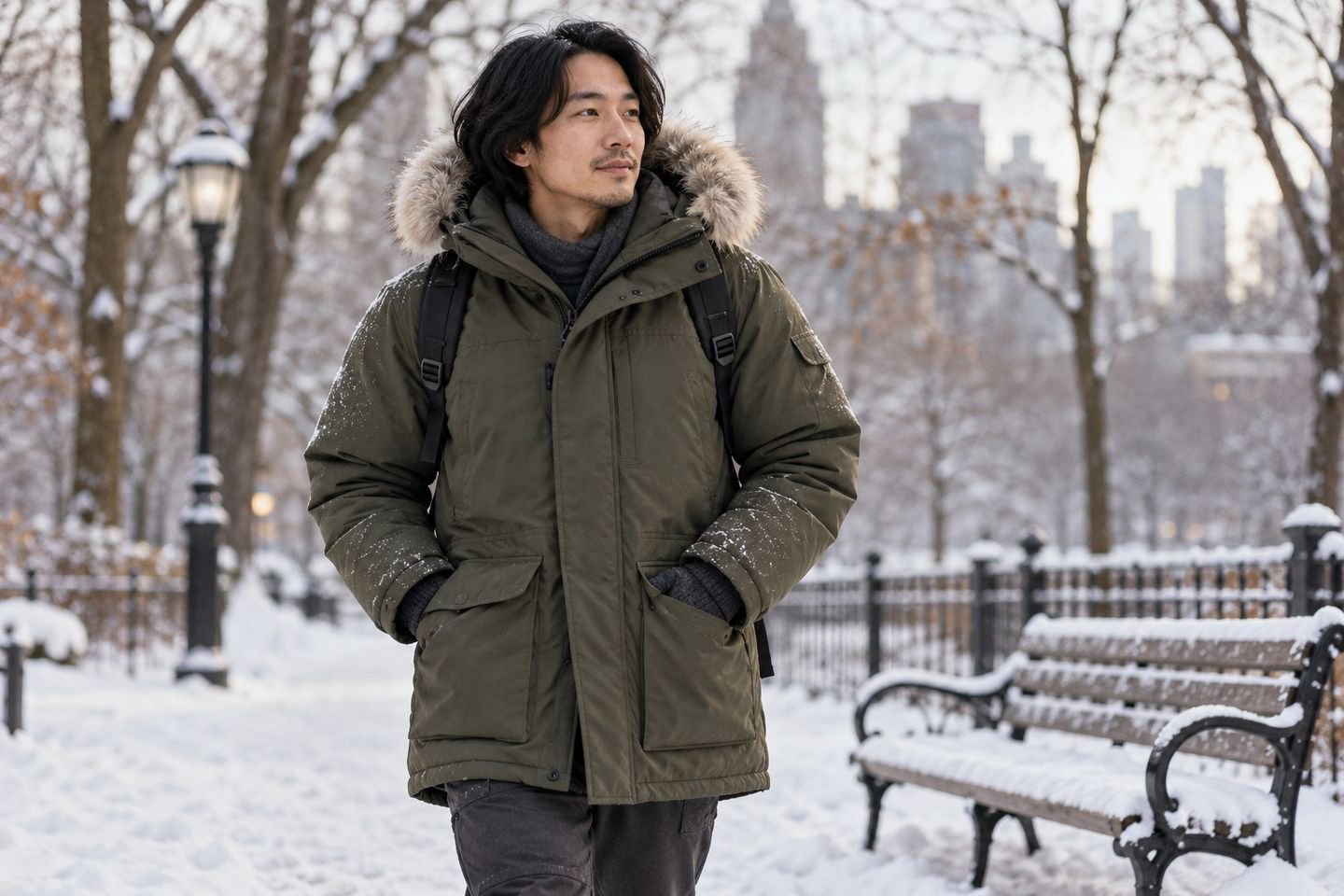
It should stay put when you turn your head, and the collar should cover your neck without rubbing your chin raw. A removable faux-fur trim can help deflect wind and snow around your face, but it won’t fix a loose hood. Wind-resistant fabric, storm flaps over zippers and adjustable cuffs count for a lot on an exposed street corner.
Plan your layers too. A moisture-wicking base, a warm middle layer and mitts that cover your wrists are the baseline. If your hands or boots are underdressed, the best parka alive can’t save the outing. And if you run hot on the walk to work, pick a coat you can vent without opening your whole chest.
My pick for most people? Length and weather protection first, fit second, insulation third. Try your finalists on with your usual layers before the return window closes, because a coat that feels right in the store at 20 degrees will tell you the truth at minus 30.
We may earn a commission when you buy through links in this article, at no extra cost to you. We choose what we cover on our own.
Frequently Asked Questions
Is a minus 30 temperature rating on a parka reliable?
Not by itself. Brands don’t share one testing standard, so treat the rating as a clue and compare insulation, coverage, hood design and wind protection.
Is down or synthetic insulation better for minus 30 weather?
Down gives more warmth for its weight, while synthetic keeps working better when damp. Choose based on whether your winters bring dry cold or wet snow and wind.
Does a higher fill power always mean a warmer parka?
No. Fill power measures loft only. Fill weight, baffle construction, length and the shell fabric all change how warm a coat feels.
Can I find a warm parka for under $600 CAD?
Yes. Options like the McMurdo, Marquam Peak Fusion and Superior Down offer practical warmth, though they aren’t expedition-level coats.
What should I wear under a parka at minus 30?
A moisture-wicking base, a warm midlayer, and mitts that cover your wrists. Underdressed hands and feet can ruin the comfort of even the best coat.