

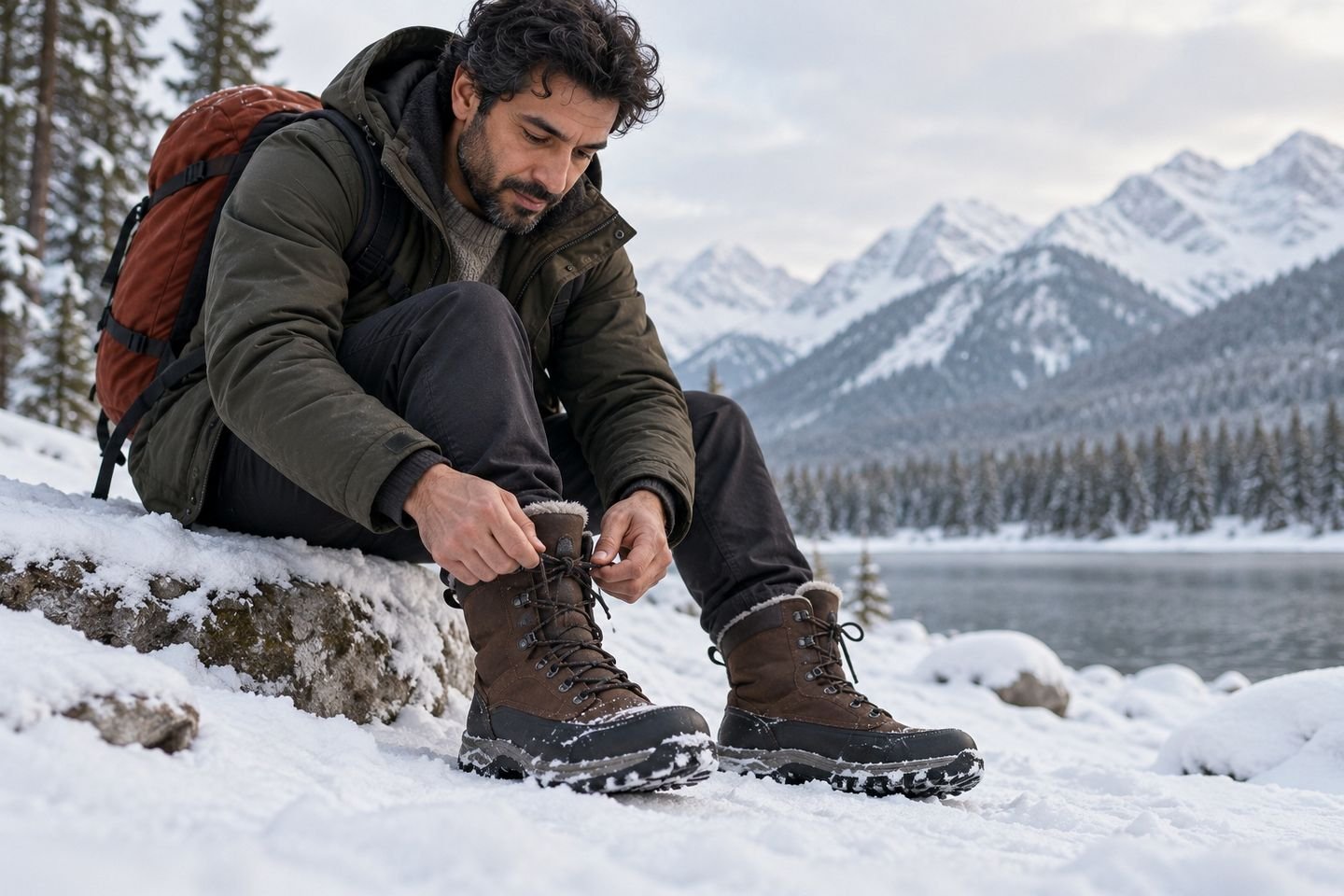

Nobody picks winter boots while standing in a cozy shop thinking about slush. You pick them badly, then find out at the bus stop.
That’s the real test. The best winter boots earn their closet space on the walk to the bus, across the slushy parking lot and along that stretch of sidewalk nobody has cleared yet. Warmth matters, sure, but so do grip, water protection and enough room for your toes to move. A boot that feels toasty indoors can turn chilly fast once your socks get damp or your feet are squeezed tight.
The best winter boots are the ones that match your coldest regular outing, fit comfortably with your real socks and grip the surfaces you actually walk on. Compare the approximate price with current Canadian listings, then try on your shortlist before the first big snowfall. A little fit-checking now beats cold toes in February.
There’s no single perfect pair for every province or every winter day. I’ve sorted the picks below by what each boot is built to handle, from deep cold to everyday errands. Prices are approximate Canadian retail ranges, since materials, sales and seasonal stock shift the tag, so check the current listing before you buy.
Which boots work for most Canadian winters?
Think about your usual commute first. A lightweight pair feels much nicer for errands, while a taller, sturdier boot gives you more coverage when snow piles up. These three are versatile starting points if you want something for regular winter wear instead of a one-off expedition.
Sorel Caribou: approx. $200–$250 CAD. This classic-style boot pairs a waterproof leather upper with a removable felt liner and a thick sole. It suits snowy walks and cold days when you’d rather have extra coverage than a sleek profile. The trade-off is weight. It can feel clunky over long indoor stretches, and the bulk may not work with a narrow pant leg.
Kamik NationPlus: approx. $150–$200 CAD. A removable liner and a higher shaft make this a practical pick for snowbanks, dog walks and weekend chores. It’s generally friendlier on the wallet than premium expedition boots. The look leans outdoorsy, though, so it probably won’t be what you reach for with office clothes.
Merrell Thermo Chill Mid: approx. $170–$230 CAD. If you’d rather skip the heavy pac-boot feel, this lighter mid-height style deserves a look. The insulated build and waterproof construction suit everyday walks and mixed conditions. A shorter cuff lets deep snow sneak in, so it’s better for cleared routes than for breaking trail.
Warmest boots for minus 30 and below
A temperature rating is only part of the story at -30°C. Wind, time outside, your socks and fit all change how your feet feel. For stationary outdoor work or long waits, favour generous insulation and room for a warm sock. No rating can promise that every foot stays warm in every condition.
Baffin Impact: approx. $300–$400 CAD. Built for very cold conditions, the Impact has a tall profile and layered insulation for serious exposure. It’s a strong option if your winter involves outdoor work or long stretches in snow. For a quick grocery run it’s overkill, and its size makes driving or walking on cleared pavement less graceful.
Baffin Control Max: approx. $250–$350 CAD. This insulated boot targets demanding cold-weather use but has a somewhat more everyday shape than the bulkiest expedition designs. Consider it for snowshoeing, winter camping or long outdoor shifts. It’s still a big boot. Try it with the socks you actually plan to wear.
Kamik Nation Pro: approx. $180–$240 CAD. A removable liner and tall, weather-ready build make this a useful cold-weather option without jumping to the top price tier. It suits chores and snowy walks when warmth comes first. As with other tall boots, check the fit around your calf, because a snug shaft is a pain over thicker layers.
Slush finds the weak spot
It always does, and quickly. Look for waterproof construction, sealed seams or a membrane, plus a sole with real tread. A waterproof label doesn’t mean you can stand in water above the boot’s opening, of course. On wet sidewalks and messy commutes, easy on-and-off becomes a small daily victory.
Sorel Explorer III: approx. $180–$240 CAD. This lighter everyday design fits city sidewalks where slush, wet snow and indoor stops all happen in one trip. It’s easier to wear for errands than a bulky pac boot, yet still gives weather protection and insulation. It wouldn’t be my first choice for standing still in deep cold for an hour.
Blundstone Thermal: approx. $280–$350 CAD. This Chelsea-style boot brings a clean, pull-on look to winter dressing, with a warm lining and weather-conscious construction. It’s handy for short trips and commutes on cleared paths, and it pairs well with regular clothes. The lower shaft gives less protection in deep snow, and the smooth silhouette shouldn’t be mistaken for a dedicated ice boot.
Can a good-looking boot survive winter?
Mostly, yes. For a daily pair, comfort across a full day matters more than a dramatic temperature claim. These options keep a more polished profile without making you treat every sidewalk like a hiking trail. If you regularly cross glare ice, add traction devices instead of expecting a fashion sole to do everything.
La Canadienne waterproof leather ankle boot: approx. $450–$700 CAD. The brand’s weather-treated leather styles are a dressier option for city wear, with a sleeker shape than traditional snow boots. They work well for a commute that mixes pavement and indoor time. The price is steep, and a refined ankle boot still won’t replace a tall insulated pair in a snowstorm.
Sorel Joan of Arctic: approx. $250–$330 CAD. A taller silhouette, warm lining and weather-ready materials make this a recognizable choice when you want coverage with a bit more style. It suits snowy neighbourhood walks and casual winter outfits. The boot has noticeable volume, so make sure it feels fine with your usual pants and doesn’t rub at the calf.
Insulation, traction and fit, in plain terms
Start with your real winter routine. A 10-minute walk from a heated car to a shop calls for something different than waiting for a bus outside or clearing snow for half an hour. Temperature ratings help compare models, but brands don’t all test or present them the same way. Treat the number as a guide, not a guarantee.
For insulation, think about how long you’ll be outside and whether you tend to run cold. Thick socks help, but only if the boot still has room for them (I once bought a pair a size down and spent a whole January regretting it). Tight boots restrict movement and can leave toes cold. Try them on later in the day, when feet may be a little larger. Bring your winter socks. Check that your heel doesn’t slip badly when you walk.
For traction, look for a tread pattern with depth and rubber that stays flexible in the cold. Even a grippy sole can struggle on polished ice. A removable liner is handy for drying, while a waterproof membrane or well-sealed construction helps with slush. Check the care instructions too, because road salt can mark leather and fabric, and a suitable protective treatment plus a quick wipe-down extends a boot’s good looks.
What height and weight will you put up with every single day?
Tall boots keep snow out but may feel cumbersome. Shorter styles are easier to wear indoors and in a car, but they leave more ankle exposed. For many Canadian shoppers the practical answer is two pairs: a warm, waterproof workhorse for rough weather and a lighter boot for milder days. I’d go that route myself.
We may earn a commission when you buy through links in this article, at no extra cost to you. We choose what we cover on our own.
Frequently Asked Questions
What are the warmest winter boots for minus 30?
Tall, heavily insulated boots such as the Baffin Impact or Baffin Control Max are built for that kind of cold. Fit matters as much as the rating, so try them with your real winter socks.
Can I trust a boot’s temperature rating?
Use it as a guide for comparing models. Brands test and present ratings differently, and wind, activity level and how long you stand still all change how warm you feel.
How should winter boots fit?
Snug at the heel with room for your toes to move. Try them on later in the day while wearing the socks you plan to use, because tight boots can leave toes colder.
Do I need more than one pair of winter boots?
Many Canadian shoppers do well with two: a warm, waterproof pair for rough days and a lighter boot for milder weather and errands.