

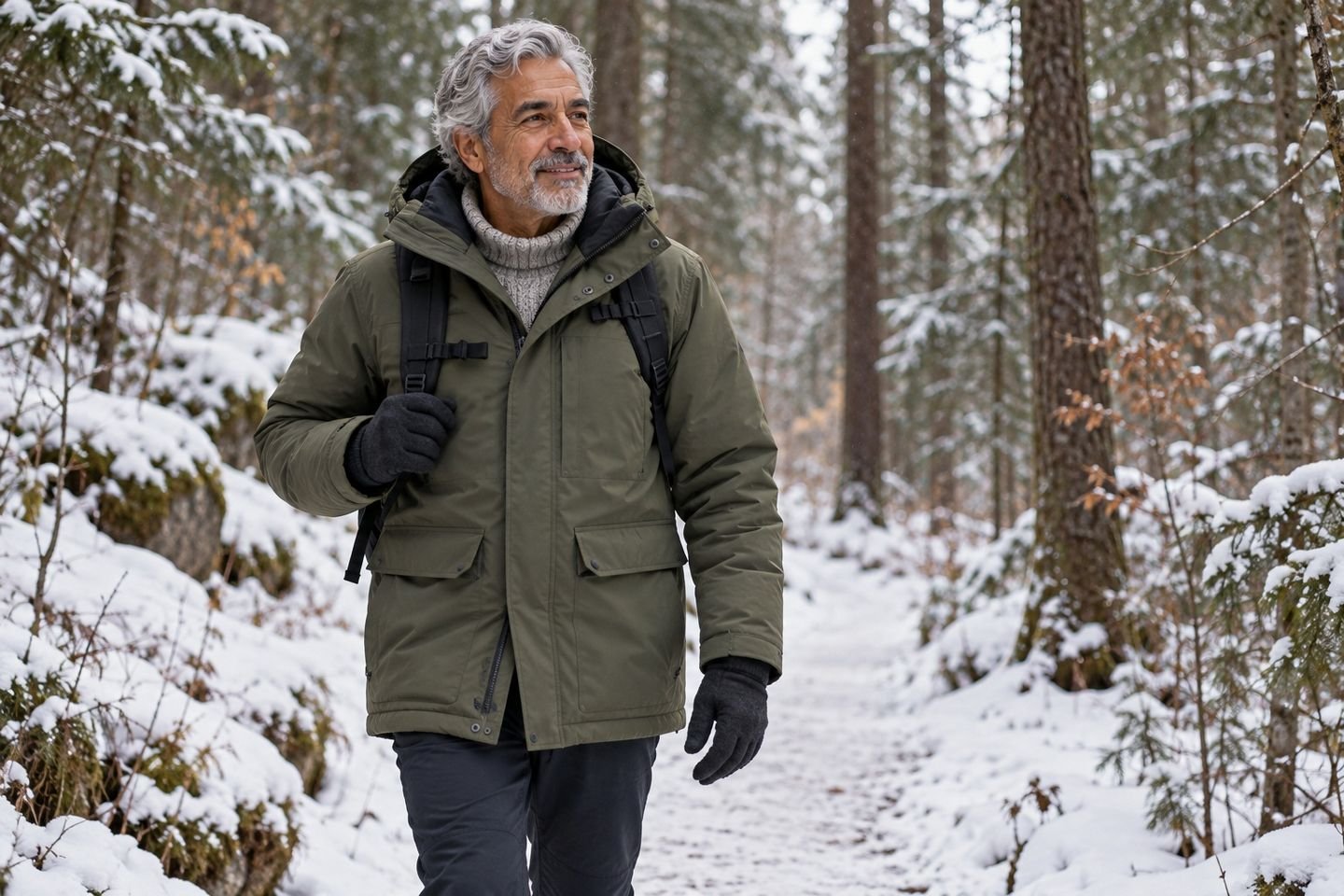

Stand at a bus stop in Winnipeg at -25°C, then try the same in Vancouver in sideways rain. Different problems entirely.
Warm enough is not the same as right
One coat rarely handles every Canadian forecast equally well, and that is the core idea behind choosing the best winter coats Canada has to offer. Think about your usual temperature, how long you spend outside, and whether your winter means drizzle or dry, biting wind. I would rather see you buy a coat that fits your real Tuesday than one built for an expedition you will never take.
Here is the guide, sorted by region.
Deep freeze on the Prairies and up north
When the forecast drops well below -20°C, warmth stops being a style detail. Wind exposure, time outdoors and how active you are all change what feels comfortable. A longer insulated parka with a wind-resistant outer fabric covers more of you than a short puffer ever will. Look for a hood that adjusts around your face and cuffs that seal over your layers.
The coat label only tells part of the story. A close fit traps heat, but you still need room for a base layer and a sweater. If you are shovelling or walking briskly, a coat that is too warm leaves you sweaty (I once wore a parka built for the Arctic to shovel a driveway in Calgary, and regretted it within ten minutes), and that moisture makes the cold feel worse when you stop. For regular outdoor work, ventilation and durable cuffs deserve a look alongside insulation.
Here is my check. Stand outside for ten minutes in the clothes you would actually wear under the parka. You learn more than any glossy product photo will teach you. And don’t forget mittens, a hat and insulated boots, because even a very warm coat can’t rescue cold fingers or wet socks.
Slush, thaw and wind: Toronto, Ottawa and Montreal
Central Canadian cities serve up the messy middle. Snow, slush, wind, then a thaw that turns sidewalks into puddles. Your coat needs insulation and weather protection, and it still has to work when the temperature swings. A mid-thigh parka is a reliable starting point, particularly if you walk or wait outdoors, while commuters who run warm can do well with a lined coat and a removable hood.
Check the closure. A storm flap over the zipper keeps wind and wet snow out, and a two-way zip lets you sit on a train without the hem bunching up. Pockets should work with gloves on. Sounds fussy until you are digging for your transit card in a flurry.
In Montreal or Ottawa, where a cold snap can make a damp day feel much sharper, length and a snug hood make a real difference. Try the coat with the sweater you wear most. If the shoulders pull when you reach forward, that won’t improve once you add a scarf and a thick knit.
Is a down parka wrong for the coast?
Often, yes.
On the coast, winter usually means damp cuffs, sideways rain and temperatures hovering near freezing. A thick down parka can feel clammy on a crowded bus, while a waterproof shell gives you more flexibility. Look for sealed seams, an adjustable hood and enough room for a warm midlayer. Breathability matters too, because otherwise a brisk walk leaves you damp from the inside.
For a proper downpour, pick a rain jacket with a brimmed hood and cuffs you can tighten over gloves. A hip-length shell layers more easily and is less cumbersome on transit. If you wait outside for long stretches, a longer waterproof coat keeps your thighs drier. One trade-off: shells that block rain well can feel stiff, so raise your arms and turn your head before you buy.
Coastal winters have also pushed more people to think about practical rainwear, since the plans are wet commutes, outdoor markets and muddy weekend walks rather than picture-perfect snow. A shell you will actually carry beats a heavy coat left at home.
A rough cheat sheet for temperature
Warmth ratings are not standardized across brands, so treat temperature claims as a guide, not a promise. A rating might assume you are wearing layers, moving around or sheltered from wind. Your own cold tolerance matters as well. If you tend to feel chilly, choose more coverage and insulation; if you run warm, a lighter coat with good layering options may suit you better.
As a starting point, a rain shell suits wet weather near or above freezing when you can add layers. A light insulated jacket can work from about 0°C to -10°C for short trips, depending on wind and activity. Beyond that, look for a midweight coat or parka. Below -20°C you generally want substantial insulation, wind protection and full coverage, especially if you will be standing still.
If you are working out how to choose a winter parka, check the details in person when you can. Is the hood adjustable? Does it stay put when you turn your head? Can you zip it with gloves on? A temperature number can’t answer those. Neither can a photo.
Under $300 and still warm
A budget cap doesn’t mean settling for a coat that only looks warm. Start with the conditions you face most, then spend on the one feature that solves your actual problem: waterproofing for coastal rain, insulation for long waits outdoors, or a longer cut for wind. Prices shift with season and sales, so check current listings and compare fabric and construction instead of trusting a big markdown banner.
Check that the zipper runs smoothly and the stitching looks even. A detachable hood is handy, though some cheaper designs sit awkwardly once it is off. Also, a coat is not waterproof just because fabric beads water in a store; look for clear details like a waterproof membrane or sealed seams when rain protection matters.
Keep the receipt and read the return terms before you pull the tags. A coat can feel fine indoors and still ride up when you reach for a steering wheel or a backpack. Try it over your usual layers, sit down in it, and check the sleeves. Small tests. They beat finding a tight shoulder during the first real cold snap.
My view: the best coat is the one that matches your forecast and your routine, not the coldest place on the map. Match shell and insulation to your typical weather, then check movement, hood fit and layering room. If you are stuck between two warmth levels, go by how long you will be outside.
We may earn a commission when you buy through links in this article, at no extra cost to you. We choose what we cover on our own.
Frequently Asked Questions
What is the best type of winter coat for Vancouver?
A waterproof shell with sealed seams, an adjustable hood and room for a midlayer. Coastal winters are wet more than they are freezing, so a heavy down parka often feels clammy.
What coat do I need when it drops below -20°C?
A longer insulated parka with a wind-resistant outer fabric, a hood that adjusts around your face and cuffs that seal over your layers. Pair it with mittens, a hat and insulated boots.
Are winter coat temperature ratings reliable?
Treat them as a rough guide. Brands do not rate coats the same way, and ratings may assume layers, movement or shelter from wind.
What should I prioritize in a coat under $300?
Spend on the one feature that solves your main problem: waterproofing for rain, insulation for long waits outside, or a longer cut for wind. Check zipper quality and stitching too.